
Review · HANOI
Hanoi Hidden Gems: Jeep, Vespa or Motorbike Tour
Hanoi reveals itself best away from its main roads. This four-hour tour threads through narrow alleys, busy markets, colonial streets, farm paths, and lakeside roads by Jeep, Vespa, or motorbike. It gives you a quick look at how the capital shifts from crowded city blocks to quiet farmland.
I like the route’s range, especially the contrast between Long Bien Bridge and the green paths of Banana Island. I also like the personal stop with a local family and a war veteran, followed by lunch and egg coffee. The drawback is the pace: four hours is enough for a broad introduction, but not for long visits at every stop.
Key points to know before booking
- Three ways to ride: Choose a Jeep, Vespa, or motorbike transfer for a street-level view of Hanoi.
- A sharp change of scenery: The route moves from alleys and markets to farmland, banana trees, and West Lake.
- Important city landmarks: You’ll pass the Opera House, Huu Tiep Lake, Long Bien Bridge, and Reunification Train Street.
- A personal history stop: Meet a local family and hear a war veteran discuss Vietnam from childhood through modern times.
- Food closes the tour: Lunch at a local eatery and Vietnamese egg coffee are included, but drinks are not.
- Good value for a half-day: At $70 per person, the price covers transport, helmet, guide, and entrance tickets.
Why a small vehicle is the right way to see Hanoi
Hanoi can feel hard to read from inside a car. Main roads show you the broad outline, but the city’s daily life happens in the lanes behind them. A motorbike, Vespa, or Jeep gets you closer to that side of town, with less glass between you and the sounds, smells, and movement.
The tour begins with pickup at your hotel lobby. Your driver and English-speaking guide give you a safety briefing, explain the route, and set out by your chosen vehicle. A helmet is included, which is an important practical detail for a ride through Hanoi’s busy streets.
The vehicle choice affects the feel of the tour. A motorbike gives the most direct street experience. A Vespa adds a classic local style. A Jeep provides a larger, more open ride and may suit you if you prefer not to sit on a two-wheeled vehicle. The information provided does not specify how vehicle selection is made, so confirm your preferred option when booking.
This is not a tour built around a single major monument. It is a moving picture of Hanoi. You spend much of the time watching the city change around you, with the guide explaining landmarks, local customs, and pieces of the country’s past along the way.
A few more rides around Hanoi worth a look
- Hanoi Motorbike Tour: Food, Culture and Fun by Vintage Motorbike
★ 5.0 · 6,699 reviews - Hanoi Motorbike Tours Led By Women: Hanoi By Night Foodie Motorbike Tours
★ 5.0 · 1,734 reviews - Hanoi Motorbike Tours Led By Women: Hanoi City Insight Motorbike Tours
★ 5.0 · 816 reviews
From the Opera House to the French Quarter
The first city section takes you through Hanoi’s central streets, including the French Quarter and the area around the Opera House. The architecture here feels more formal than the narrow lanes of the Old Quarter. Broad streets, older colonial buildings, and landmark facades give you a different view of the capital.
The ride also passes through the Old Quarter, where the streets tighten and the city becomes more hectic. Shopfronts, food stalls, homes, and businesses often share the same small spaces. From a vehicle, you can cover more ground than you could on foot, though you will not have the same time to stop and study individual stores or buildings.
That tradeoff is worth keeping in mind. This tour is best for seeing how the districts connect, not for a slow architectural study. You will get a useful first orientation, then can return later to the areas that catch your attention.
The route includes local markets full of activity. These stops offer a clearer look at ordinary shopping and food routines than a polished sightseeing area. The guide’s explanations matter here, since the market scenes can pass quickly and may be difficult to understand without context.
Huu Tiep Lake and the remains of a B-52
The city ride includes Huu Tiep Lake, known for the remains of a B-52 bomber that came down there during the war. The wreckage sits in a small urban lake, an unexpected sight among homes and city streets.
This stop gives the tour a serious pause. You are not seeing a grand memorial or a large museum display. You are seeing physical evidence in an everyday neighborhood, where people continue with daily life around it. The guide uses places such as this to explain Vietnam’s wartime past and its lasting place in the city.
The visit is likely brief, so do not expect a long museum-style presentation. Its value comes from the setting. The remains are part of the neighborhood rather than separated from it, which makes the stop feel direct and unpolished.
Crossing Long Bien Bridge
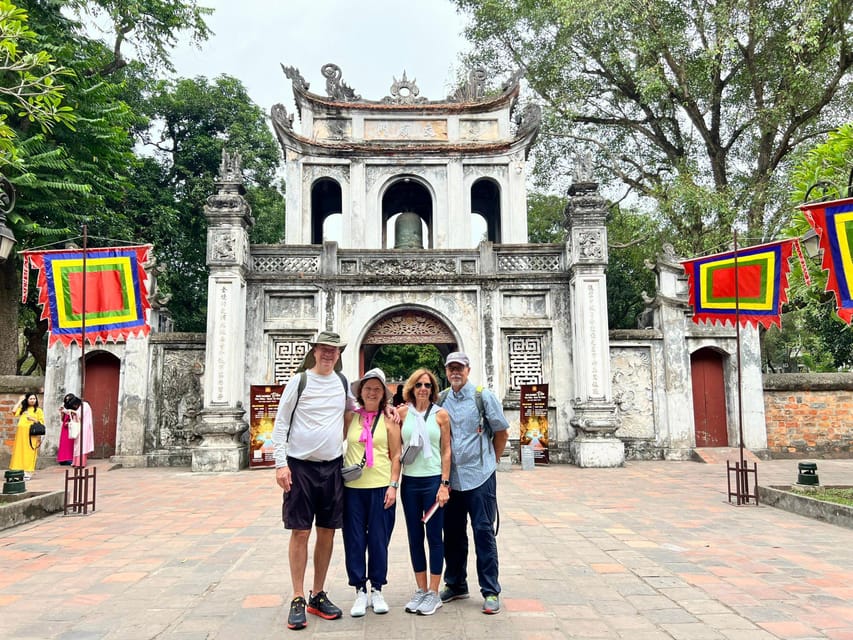
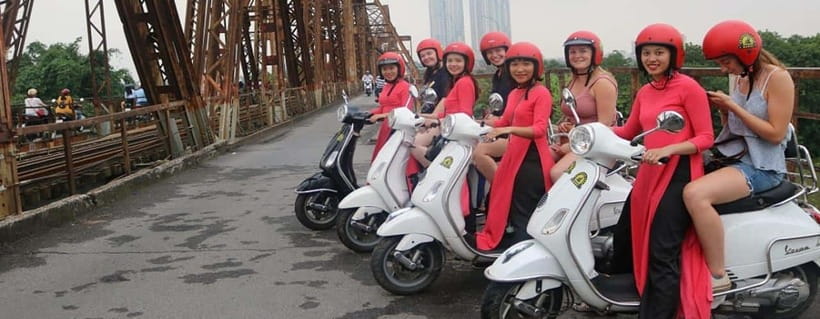
As the tour moves toward the edge of central Hanoi, you pass Long Bien Bridge. Built during the French colonial period more than a century ago, the bridge is one of the capital’s best-known structures and a symbol of Hanoi’s past.
The bridge is more than a photo stop. It links the city to the quieter area beyond, and crossing it helps explain the route’s movement from dense streets to open ground. Depending on traffic and the exact stopping point, you may have time to take in the structure and the river views, but the supplied details do not promise a long stop or a dedicated photo session.
I like this part of the route because it ties the city’s history to its present-day traffic. The bridge still functions as part of daily movement, rather than sitting apart as a preserved monument. You see a working piece of Hanoi, not just an old building on a sightseeing list.
Same roads, a very different day in the saddle:
- Hanoi Countryside Motorbike Tour: Red River Culture & Daily Life
★ 5.0 · 681 reviews - From Hanoi: 3-Day Motorbike Ha Giang Loop with Easy Rider
★ 4.9 · 501 reviews - 3-Day Ha Giang Loop Tour (small group with easy rider)
★ 5.0 · 411 reviews - Hanoi Motorbike Tour: Hanoi HIGHTLIGHTS & HIDDEN GEMS
★ 5.0 · 405 reviews
Banana Island and Hanoi’s country side
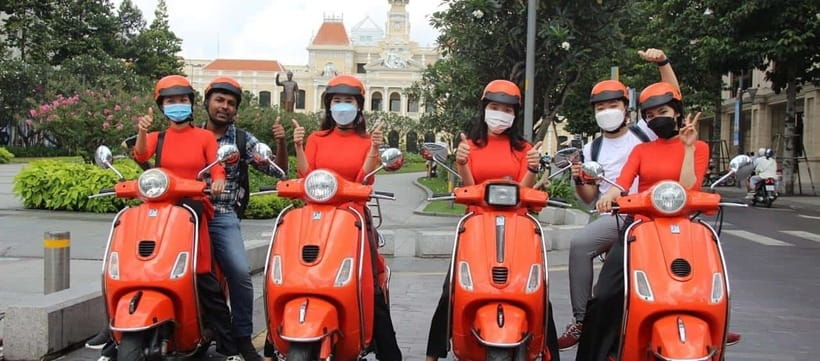
Beyond the bridge, the ride changes character. The tour enters Banana Island, a quieter agricultural area with gardens, farmland, guava trees, banana trees, and dirt paths.
This is one of the most unusual parts of the route. Hanoi is often pictured as a dense capital filled with scooters and narrow buildings. Banana Island shows that farmland can sit close to the city center, separated from the traffic by only a short ride.
The dirt paths make the vehicle choice especially relevant. The Jeep may feel more comfortable for some riders, while a Vespa or motorbike gives you a closer connection to the path and surroundings. The tour does not provide details about road conditions beyond the mention of dirt paths, so bring a practical attitude rather than expecting a polished road.
For me, this section adds balance to the tour. You get a break from engines and crowded lanes, with green gardens stretching around you. It also helps explain how Hanoi’s edges are not simply urban. Small areas of cultivation remain part of the capital’s daily life.
A cooler ride beside West Lake
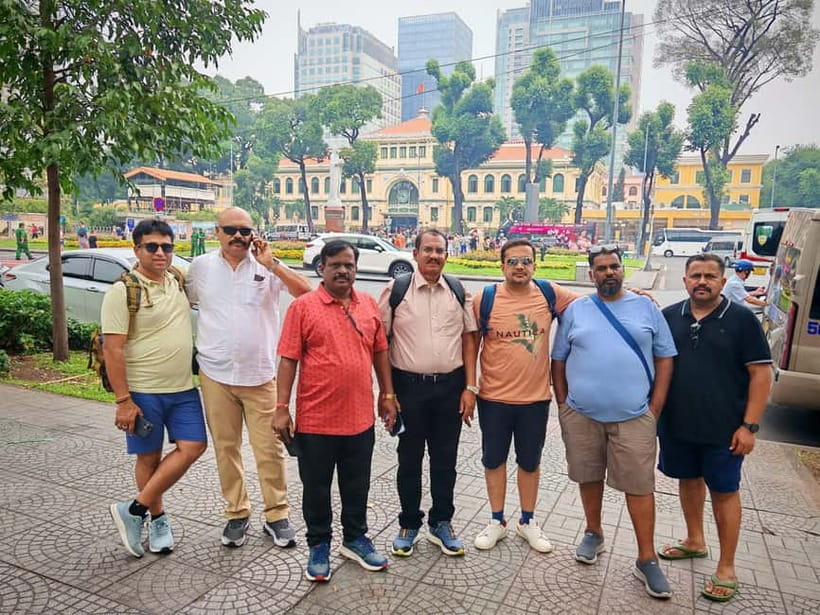
After Banana Island, the route follows the shores of West Lake. The breeze off the water offers a welcome change after the close streets of the Old Quarter and French Quarter.
West Lake is one of Hanoi’s most important open spaces, and riding beside it gives you a sense of the city’s scale. You are still within Hanoi, but the water and wider roads create a calmer feeling. The tour description does not promise a boat ride or a long lakeside stop, so think of this as a scenic drive rather than a separate lake activity.
This part also provides a natural pause before the route returns to narrow alleys. You move from rural paths to open water, then back into the close-packed city. That variety is the main reason to choose this tour over a short landmark-only ride.
Meeting a family and hearing a war veteran’s story
One of the more personal parts of the afternoon is a visit with a local family. You have a chance to speak with the owner, who is a war veteran, and hear about Vietnam from his childhood through the country’s modern period.
This kind of meeting can add a human voice to the historical sites earlier in the route. The B-52 remains and Long Bien Bridge show parts of the past. A conversation in a family home can show how those events connect to one person’s life and to changing customs in Vietnam.
The length and format of the conversation are not specified, so you should not expect a formal lecture or a guaranteed long interview. Still, it is a meaningful reason to choose this tour if you want more than photographs. Listen respectfully, ask simple questions, and allow the guide to help with communication if needed.
The stop also introduces Vietnamese culture and customs in a direct way. You are not simply passing through a neighborhood. You are being given a chance to understand how one local household connects its own story to the country’s wider past.
Reunification Train Street and the final city ride
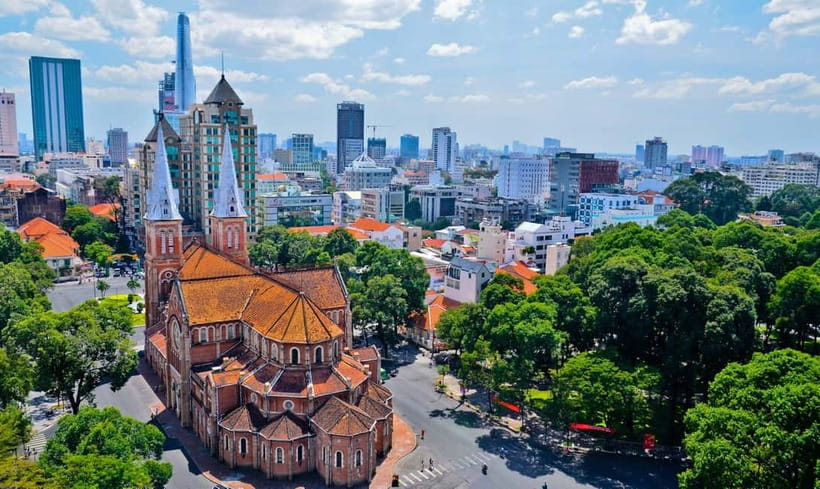
The route returns toward Huu Tiep Lake and the famous Reunification Train Street neighborhood. This area is known for railway tracks running through a tight residential setting, with homes and daily life close to the line.
The visit offers a look at one of Hanoi’s most unusual urban spaces. It is also an area where you should follow your guide’s instructions closely. The supplied information does not give a train schedule or promise a train passing during the tour, so book this stop for the setting and local atmosphere, not for a guaranteed railway spectacle.
The return through Hanoi’s alleys completes the route’s main idea. You have seen formal streets, old neighborhoods, markets, farmland, a lake, a bridge, and a railway community. The city becomes easier to understand because you have moved through several of its layers in one afternoon.
Lunch and Vietnamese egg coffee
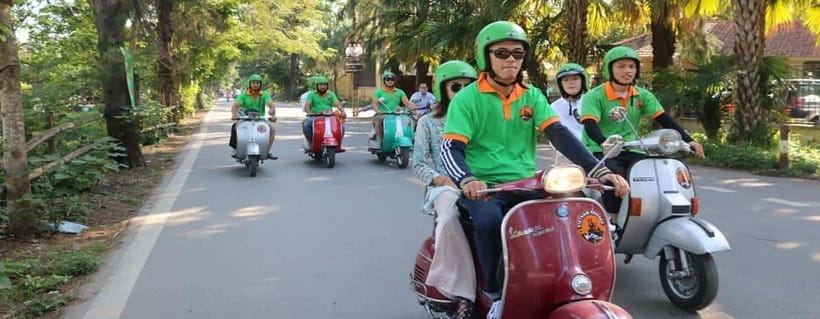
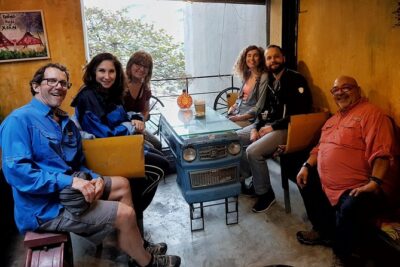
The tour ends at a local eatery for lunch, followed by a visit to a cafe known for Vietnamese egg coffee. This gives the final part of the ride a clear finish rather than leaving you at a random street corner.
Lunch is included, as are entrance tickets and the English-speaking guide. Drinks are not included, so carry some cash or confirm the payment method for anything beyond the included meal and coffee arrangements.
Egg coffee is one of Hanoi’s signature drinks. It is made with a sweet, creamy egg mixture served with coffee, giving it a dessert-like character. If you prefer plain coffee, this is still a good chance to try something closely tied to the city’s cafe culture.
The food stop also affects the value of the tour. At $70 per person, you are paying not only for a ride, but for a guide, helmet, transport, sightseeing route, local meeting, lunch, and coffee. The price is higher than simply hiring a vehicle for a few hours, but the range of included elements makes it reasonable for visitors who want a guided introduction without arranging each piece themselves.
Is four hours enough?
Four hours works well for a first look at Hanoi. The route covers a lot, and that is both its strength and its limit. You will see more districts than you could comfortably reach on foot, but most stops will be short compared with a full-day cultural tour.
Choose this tour if you want movement, variety, and local context. It suits first-time visitors who want help making sense of Hanoi, couples or friends who enjoy riding through city streets, and anyone curious about how farmland survives beside a capital.
It may not suit you if you need step-free access. The tour is not suitable for wheelchair users, and the vehicle ride includes narrow alleys and dirt paths. It may also be less suitable if you dislike traffic, riding in open vehicles, or changing quickly from one stop to another.
The tour is listed as a private group option, which can make the experience more personal and easier to manage. The supplied details do not state the maximum group size, so ask before booking if group size is important to you.
Free cancellation is available up to 24 hours before the activity for a full refund, and you can reserve now and pay later. Starting times depend on availability, so check the available slot before planning the rest of your day.
Should you book this Hanoi ride?
Book it if you want a four-hour overview with real variety, rather than a slow visit to one museum or monument. The route’s best feature is its change of scenery: Old Quarter lanes, French Quarter buildings, Long Bien Bridge, Banana Island, West Lake, Huu Tiep Lake, Train Street, a family visit, lunch, and egg coffee.
The $70 price makes the most sense when you value an English-speaking guide and arranged transport. It is less compelling if you only want a short ride or plan to explore the same central districts independently.
I would choose it early in a Hanoi visit. The ride helps you decide where to return on foot, while the local family meeting and countryside section add experiences that are harder to arrange on your own. Just confirm the vehicle type, starting time, and group arrangement before paying.
FAQ
How long does the tour last?
The tour lasts four hours. Starting times depend on availability.
How much does the tour cost?
The listed price is $70 per person.
Where does the tour begin?
Your driver and English-speaking guide greet you in your hotel lobby.
Which vehicle can I use?
The experience offers transfer by motorbike, Vespa, or Jeep. Confirm your preferred vehicle when booking.
Is an English-speaking guide included?
Yes. An English-speaking guide is included. A guide in another language requires a surcharge.
What is included in the price?
Transport by motorbike, Vespa, or Jeep, entrance tickets, an English-speaking guide, and a helmet are included.
Are food and drinks included?
Lunch at a local eatery and Vietnamese egg coffee are part of the described finish. Drinks are not included.
Can I cancel the booking?
You can cancel up to 24 hours in advance for a full refund. Reserve-now, pay-later booking is also available.
Is the tour suitable for wheelchair users?
No. The activity is not suitable for wheelchair users.
Just added around Hanoi
- Vietnam Motorbike Tour To Sapa, Mu Cang Chai, Thac Ba-5 Days★ 5.0 · 5 reviews
- Vietnam Motorcycle Trip from Hanoi to Ba Vi National Park – 1 Day★ 5.0 · 3 reviews
- Motorbike Tour around Ninh Binh★ 5.0 · 10 reviews
- Hanoi Offroad Motorcycle Tour to Ha Giang, Dong Van, Meo Vac★ 5.0 · 8 reviews
- Hanoi 1 Day Motorbike Tours Countryside★ 5.0 · 14 reviews
- Ha Noi Sightseeing Motorbike Tour with Female Tour Guide★ 5.0 · 14 reviews
- Motorcycle tour around Hanoi★ 5.0 · 4 reviews
- Sapa Motorbike Tour With Waterfalls O Quy Ho Pass From Sapa/Hanoi★ 5.0 · 3 reviews
Hanoi Motorbike Tours, compared.
Hanoi Motorbike Tour: Food, Culture and Fun by Vintage Motorbike
Read our review →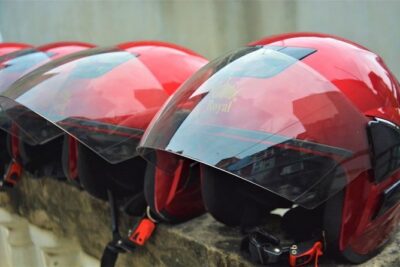
Hanoi Motorbike Tours Led By Women: Hanoi By Night Foodie Motorbike Tours
Read our review →
Hanoi Motorbike Tours Led By Women: Hanoi City Insight Motorbike Tours
Read our review →
Hanoi Countryside Motorbike Tour: Red River Culture & Daily Life
Read our review →

3-Day Ha Giang Loop Tour (small group with easy rider)
Read our review →
Hanoi Motorbike Tour: Hanoi HIGHTLIGHTS & HIDDEN GEMS
Read our review →
Hanoi old quarter sightseeing & street food eating by Motorcycle
Read our review →Browse the lists this tour appears in