

Review · HO CHI MINH CITY
Visit 5 Districts & The Hidden Gems In Saigon By Motorbike
Saigon makes the most sense from the back of a motorbike. You move from polished French buildings to narrow market lanes, old apartments, flower stalls, temples, and crowded trading streets without losing the city’s constant hum. This four-hour private ride through five districts gives you a much broader look at daily life than a short walk around District 1.
I like the mix of famous sights and ordinary neighborhoods. I also like the food and coffee stops, especially the chance to see how Cheo Leo Coffee prepares its traditional drink. The main thing to consider is the pace: five districts in four hours means quick visits rather than long museum-style stops.
Key points at a glance
- Five districts in one ride: Move through Districts 1, 3, 10, 5, and 6, each with a different mood and purpose.
- A real local view: See shopping streets, flower stalls, bird and rooster markets, fabric sellers, motorbike parts, temples, and older housing.
- French Saigon and modern Saigon: Visit Notre-Dame Cathedral, the Central Post Office, Nguyen Hue Walking Street, and student coffee spots.
- Important places with context: Stop at the Thich Quang Duc Monument and learn about the 1963 Buddhist protests.
- Food and coffee included: Enjoy a main meal, local snacks, fruit, drinks, beef noodles, and coffee at Cheo Leo Coffee.
- Private motorbike transport: Your English-speaking guide drives, supplies a helmet and rain poncho, and picks you up and returns you in central Saigon.
Why a motorbike is the right way to see Saigon
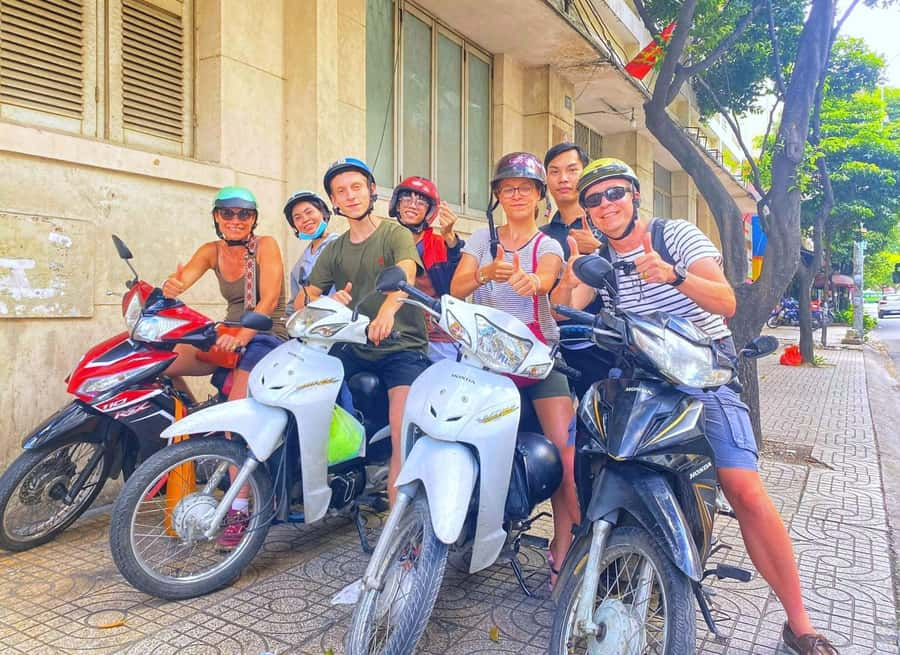
A car keeps you sealed off from the city. Walking gives you detail, but only within a small area. A motorbike offers the useful middle ground. You can cover real distance while still hearing market sounds, smelling food stalls, and watching the street change block by block.
This is not a polished sightseeing loop. You will see the grand center of Saigon, but you will also pass through working districts where people shop, trade, worship, repair motorbikes, and live in older apartment buildings. That contrast is the main value of the experience.
The tour is private, so the ride is arranged for your own group rather than a large coach. Guides named Tam, Phat, Bing, Kelvin, and Asa have led this experience at different times. Their role is more than driving. They explain what you are seeing, point out details that are easy to miss, and keep the ride moving safely through the city.
The price is $34 per person. For four hours of private transport, an English-speaking guide, food, drinks, entrance fees, fuel, a helmet, and a rain poncho, I consider that a fair city tour price. The value depends on what you want. If you only want the cathedral and post office, you can see those cheaply on foot. If you want to connect five parts of Saigon in one morning or afternoon, the motorbike format earns its cost.
A few more rides around Ho Chi Minh City worth a look
- Ho Chi Minh City Street Food Tour & Sightseeing By Motorbike
★ 5.0 · 9,413 reviews - Saigon By Night and Street Food By Motorbike | Opt: Ao Dai Riders
★ 5.0 · 4,066 reviews - Private Street Food Tour by Motorbike/Car with Local Students
★ 5.0 · 3,950 reviews
District 1: French buildings and young Saigon
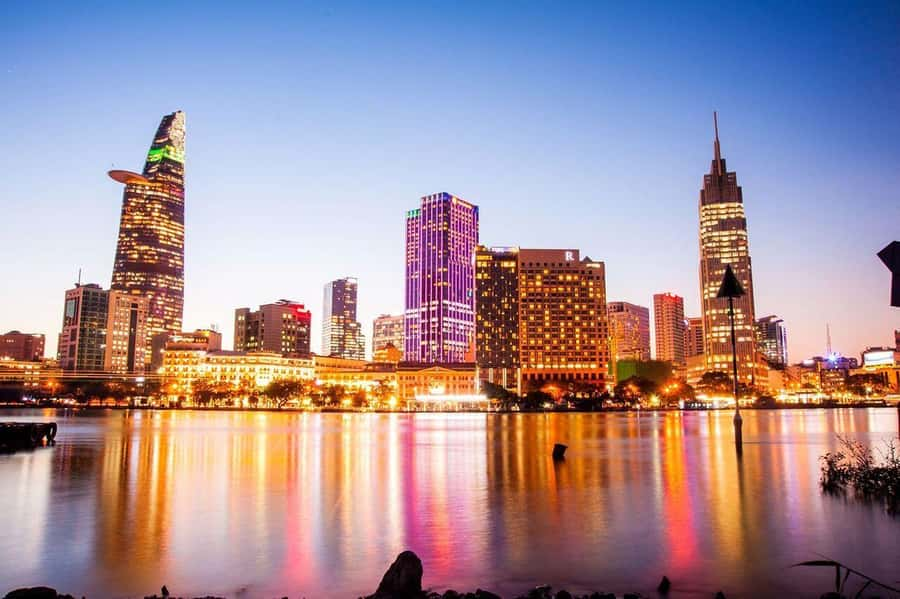
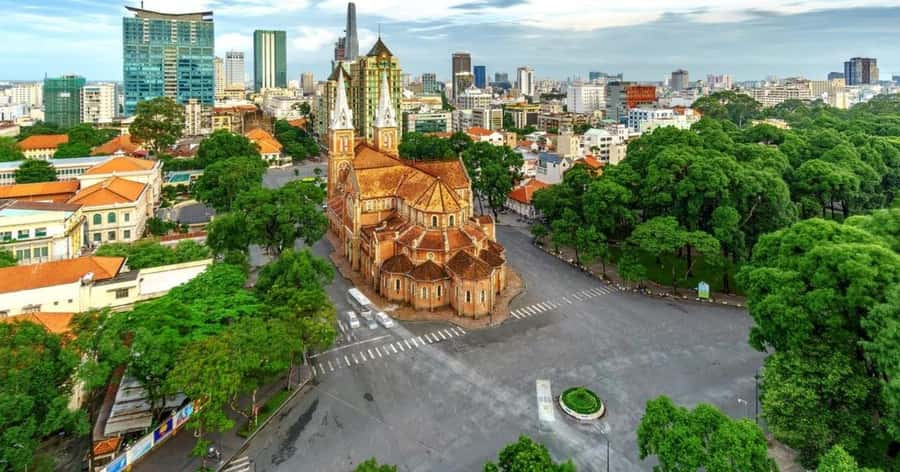
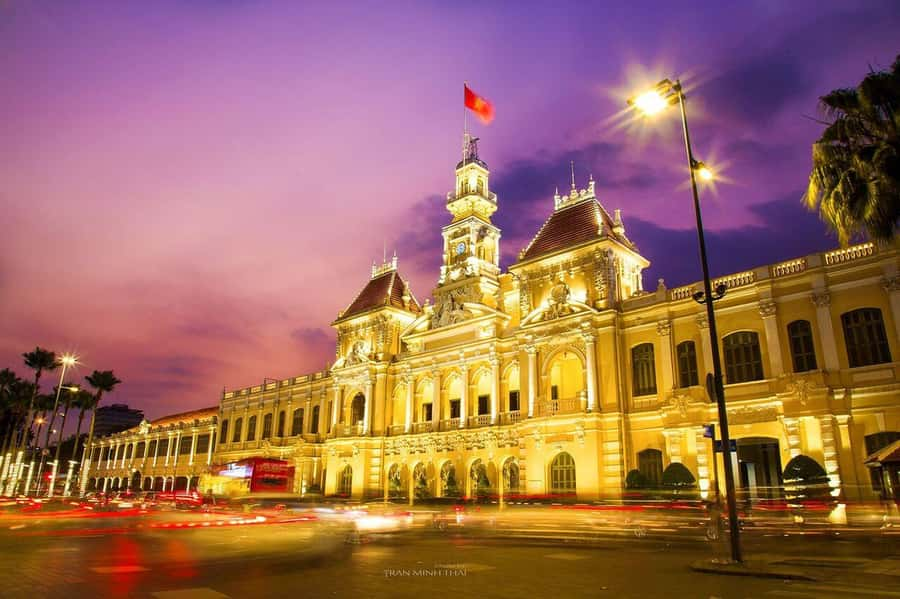
The tour begins with some of the city’s best-known sights in District 1. Notre-Dame Cathedral and the Central Post Office are reminders of Saigon’s French colonial period, with architecture that feels very different from the crowded commercial streets around them.
The cathedral is one of the city’s signature landmarks, while the post office remains especially appealing because it is still a working public building rather than a frozen monument. This is a good place to get your bearings before the ride takes you away from the usual center.
You will also see the student coffee area, sometimes described as a student bet coffee-style park, where young locals gather in an informal outdoor setting. The contrast is useful: colonial facades nearby, local youth culture just a short distance away.
Nguyen Hue Walking Street adds another modern note. It is a broad public space used for strolling and local activities, and it helps explain why Saigon attracts people from across Vietnam. Your guide can connect the polished central district with the city’s wider reputation as a place of work, study, and opportunity.
Do not expect a long guided tour inside every landmark. The strength here is the sequence. You see the postcard architecture, then quickly move into the everyday city that supports it.
District 3: A quieter side of the city
District 3 feels calmer than the central core. It is associated with middle-class residential life, older villas, small shopping streets, and pockets of French-style architecture. The pace of the ride gives you a chance to notice how quickly Saigon changes from major avenues to quiet lanes.
The Thich Quang Duc Monument is the most important stop in this district. Thich Quang Duc was the Buddhist monk who burned himself to death in June 1963 to protest the persecution of Buddhists during the Vietnam War. The monument is not simply another photo stop. It points to a major political and religious conflict, and your guide’s explanation helps place the event in context.
I appreciate that this tour includes a serious historical stop among the markets and food. Saigon can easily become a string of quick snapshots. The monument gives the day a moment of reflection.
You will also pass some of Saigon’s oldest buildings and typical shopping streets. These are not grand attractions in the usual sense. Their appeal is visual and social: old facades, narrow storefronts, and local commerce continuing in places that have seen many changes.
Nguyen Thien Thuat apartments and old urban life
The Nguyen Thien Thuat apartment buildings offer one of the clearest looks at older city housing. Saigon is famous for rapid development, but these aging apartment blocks retain a more rustic character. They show how people have adapted older buildings for daily life in a very crowded city.
This stop is valuable because it adds texture to the tour. You are not only looking at temples and monuments. You are seeing the kind of urban setting that many residents know well, with homes, small businesses, and shared public space pressed close together.
Your guide may explain how the area fits into District 3’s quieter identity. The apartments also make a useful comparison with the grand French buildings in District 1. One part of Saigon was designed to project colonial power; another grew through practical housing and local life.
The drawback is that you should not expect a formal architectural tour. The visit is brief and observational. If you enjoy seeing how a city works at street level, it will be one of the more memorable stops. If you prefer major monuments, it may seem modest.
Same roads, a very different day in the saddle:
- Saigon: Street Food Tasting & Sightseeing Tour by Motorbike
★ 4.9 · 3,578 reviews - Top Notch Street Food Motorbike Tour In Ho Chi Minh City
★ 5.0 · 2,667 reviews - Private Street Food Motorbike Tour in Ho Chi Minh City
★ 5.0 · 2,180 reviews - Ho Chi Minh City Motorbike Tour with Student | Saigon Adventure
★ 5.0 · 1,697 reviews
District 10: Ho Thi Ki Flower Market
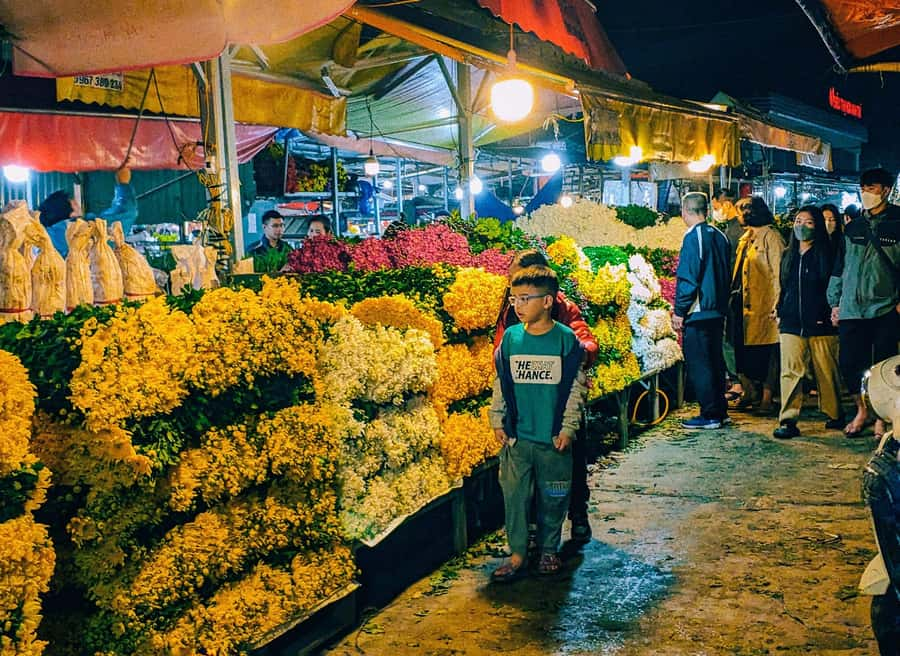
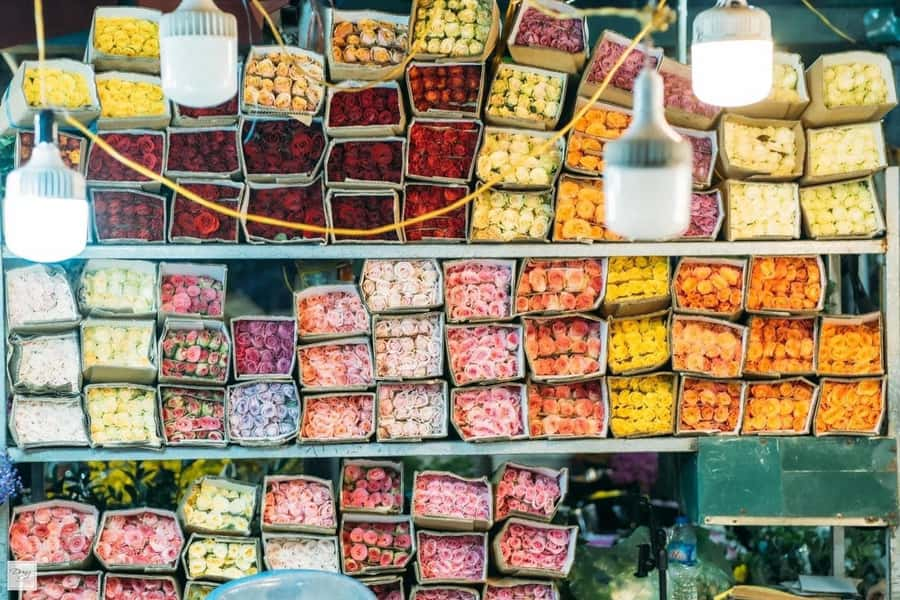
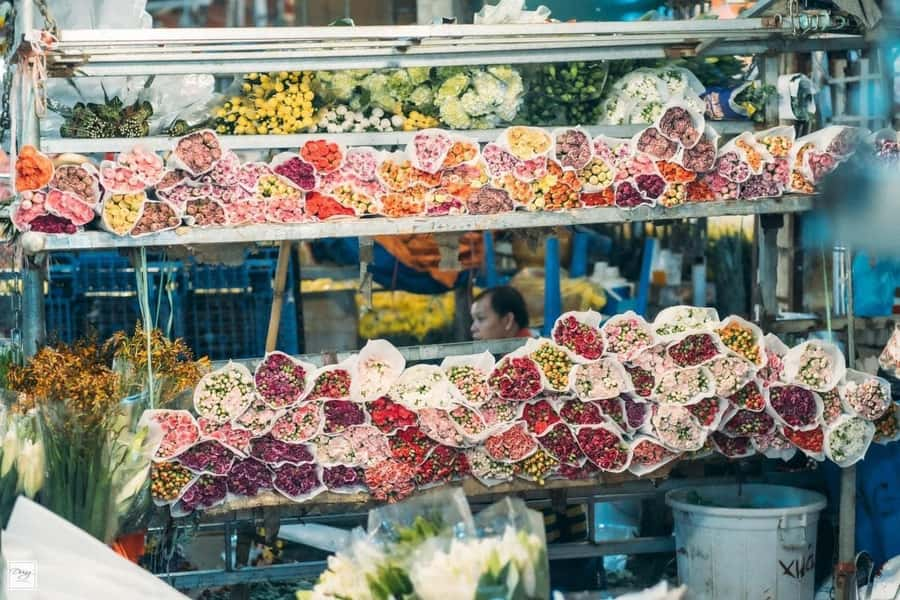
Ho Thi Ki Flower Market is Saigon’s largest flower market and a wholesale market that operates around the clock. This is one of the tour’s strongest choices because it takes you beyond the standard central sights.
Flower markets have a different rhythm from ordinary shopping streets. You may find tropical flowers, imported varieties, bundles prepared for resale, and sellers working at hours when much of the city is quiet. The market is tied to the practical business of supplying flowers, not only to sightseeing.
The timing of your tour matters here. The experience is described as a non-sleep market, but the exact flower selection and level of activity can change by time of day. Ask your guide when the market is at its best when you confirm the booking.
I like this stop for the sense of connection it gives you. The flowers do not exist only for this market. They move onward to homes, ceremonies, shops, and businesses across Saigon. You get a brief look at one part of the city’s supply chain.
Bring a little care with your belongings in crowded market areas, and keep your camera ready without blocking sellers. This is a working place first.
Districts 5 and 6: Chinatown, temples, and local trade

Districts 5 and 6 take you into the center of Saigon’s Chinatown. The area is known for Chinese community life, trade, temples, traditional medicine, fabric, birds, roosters, and motorbike accessories. It is a very different experience from the French landmarks in District 1.
The streets are active because people are buying and selling real goods. A fabric market may appeal to anyone interested in textiles, while the traditional Chinese medicine market offers a glimpse of an older medical tradition. The bird and rooster market is more unusual and may not suit everyone, but it shows how varied the city’s local commerce can be.
The motorbike accessories market is another useful stop. Saigon runs on motorbikes, so this market reveals the machinery behind that daily habit. You may see the parts and accessories that keep the city moving, rather than only watching the traffic from the outside.
On Lang Pagoda, also known as Quan Am and Hoi Quan On Lang, adds a religious and cultural layer. It is associated with the Chinese community and now supports both Vietnamese and Chinese Buddhists. The pagoda helps you understand that Chinatown is not a separate display for tourists. It is a living part of Saigon where communities have traded, worshipped, and shared the city over time.
The guide’s explanation matters here. Without context, a quick ride through Chinatown can feel like a blur of signs and traffic. With a local friend pointing out the markets and temples, the district becomes easier to read.
Beef noodles and the working lunch break
A main meal is included, along with local snacks, fruit, and drinks. The meal is beef noodles, one of the common breakfast or lunch dishes in Vietnam.
This is not presented as a luxury food stop. That is exactly the point. A bowl of noodles gives you a taste of what people eat as part of an ordinary day, and it fits the practical pace of a motorbike tour. You will likely appreciate having a proper meal after several market and neighborhood stops.
Food preferences and dietary needs are not specified in the tour details, so contact the provider before booking if you need adjustments. The meal is included, but other meals are not.
Cheo Leo Coffee and the old craft of making a cup
The final food stop is Cheo Leo Coffee, described as one of the best coffee places in town. Here you can see the process of making the coffee, not only drink the finished cup.
Vietnamese coffee is closely tied to daily life, and the preparation is part of the experience. Watching the method gives you a better understanding of why coffee shops matter so much in Saigon. They are places to pause, talk, meet friends, and watch the street.
The coffee stop also slows the tour down after the quick movement between districts. I like that balance. You get the excitement of traffic and markets, then a chance to sit with a drink and ask your guide about places you have passed.
The phrase best coffee in town is subjective, so I would treat Cheo Leo as a notable local stop rather than a guarantee that it will be your personal favorite. The real appeal is the old-style preparation and the chance to see how the drink is made.
Guides, safety, and what the ride feels like
The guides are English-speaking local drivers with strong knowledge of Saigon’s streets and an emphasis on safe driving. Past guides have included Tam and Phat, Bing and Kelvin, and Asa with a fellow guide. You should confirm who is available when you contact the provider.
A good driver matters more than fancy transport here. Saigon traffic is intense, and the guide’s job is to make the ride feel controlled while showing you places you could not cover efficiently on foot. The experience includes a good helmet, fuel, a rain poncho, and security service from your private guide.
Rain is a real possibility in Saigon, so the poncho is a practical inclusion rather than a decorative extra. Wear comfortable clothes and shoes, and avoid bringing anything you cannot secure easily during the ride.
The tour ends at your accommodation in central Saigon. Pickup and drop-off are included for the center of the city. If you are staying outside the central area, confirm the arrangement before paying.
Who should choose this four-hour ride
I would choose this tour if you have limited time and want a broad first look at Saigon. It suits you especially well if you enjoy street food, local markets, photography, neighborhood architecture, and seeing how a city works beyond its famous center.
It is also a good fit for repeat visitors who have already seen the post office and cathedral. The main reward is the shift into Districts 3, 10, 5, and 6, where the city feels more local and less arranged for sightseeing.
Families and older visitors should think carefully about the motorbike format. The tour includes helmets and careful drivers, but it is still a moving street experience, not a quiet air-conditioned bus ride. If you dislike traffic or need a very slow pace, a private car tour may suit you better.
You should also consider your interest in markets. Some stops involve birds, roosters, medicine, fabric, flowers, and motorbike parts. That variety is a strength for curious visitors, but it may feel less appealing if you want only temples and major monuments.
At $34 per person, the tour offers good value when you count the private guide, transport, meal, snacks, drinks, entrance fees, fuel, equipment, and four hours of coverage. The price is less compelling if you plan to spend the entire day at one or two central attractions.
The tour allows free cancellation up to 24 hours before departure and offers reserve-now, pay-later booking. Availability and starting times need to be checked, and the provider asks you to message +84 914 585 221 before booking to confirm that the tour is running.
Should you book this Saigon motorbike tour?
Book it if you want Saigon in broad strokes and close-up detail at the same time. The ride links French architecture, political history, old housing, flower trading, Chinatown, local food, and coffee in a single half-day.
I would not book it for a slow, in-depth visit to each landmark. The schedule covers a lot of ground, so stops are selective. But if your goal is to understand how the districts differ, meet a local guide, and see parts of Saigon that are easy to miss, this is a strong choice.
The best reason to go is not one single sight. It is the changing view from the motorbike: one minute a colonial facade, the next an apartment lane, flower crates, a temple courtyard, or a shop selling parts for the city’s millions of motorbikes. That is Saigon at street level.
FAQ
How long does the motorbike tour last?
The tour lasts four hours. Starting times depend on availability.
How many districts does the tour visit?
The route goes through at least five districts: Districts 1, 3, 10, 5, and 6.
What sights are included in District 1?
The District 1 portion includes Saigon Notre-Dame Cathedral, the Central Post Office, a student coffee-style park, and Nguyen Hue Walking Street.
Is food included?
Yes. The tour includes one main meal, local snacks, fruit, and drinks. The main meal is beef noodles.
Is coffee included?
Yes. The route includes a visit to Cheo Leo Coffee, where you can see how the coffee is prepared.
Does the tour include Chinatown?
Yes. Districts 5 and 6 form the Chinatown section of the route, including local markets, Chinese temples, traditional medicine shops, fabric sellers, bird and rooster markets, and motorbike accessories.
Is motorbike equipment provided?
Yes. A helmet, rain poncho, and fuel are included. The private guide drives the motorbike.
Is pickup and drop-off included?
Pickup and drop-off are included for accommodations in central Saigon. You should confirm the arrangement if you are staying outside the central area.
Just added around Ho Chi Minh City
- Experience Saigon Cuisine: Food Tour by Motorbike or Car★ 5.0 · 7 reviews
- Street Food Tour In Ho Chi Minh City By Motorbike★ 5.0 · 2 reviews
- Saigon Homies – Street Food Tour By Motorbike/Car/Walking★ 5.0 · 3 reviews
- Ho Chi Minh city Sightseeing or Midnight nightlife by motorbike★ 5.0 · 3 reviews
- Private Shore Excursion from Phu My Port: Food & Sights by Motorbike★ 5.0 · 10 reviews
- Saigon Half Day Shopping Tour by Motorbikes – KissTour★ 5.0 · 4 reviews
- Saigon Unseen and Food Tour by Motorbike★ 5.0 · 16 reviews
- Ho Chi Minh City Street Food tour by Motorbike at night★ 5.0 · 2 reviews
Ho Chi Minh City Motorbike Tours, compared.
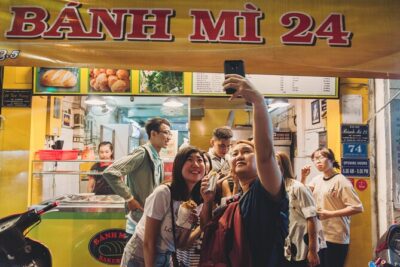
Ho Chi Minh City Street Food Tour & Sightseeing By Motorbike
Read our review →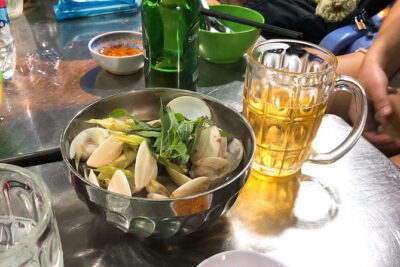
Saigon By Night and Street Food By Motorbike | Opt: Ao Dai Riders
Read our review →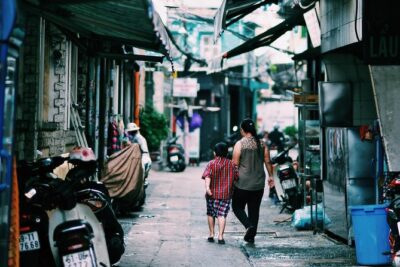
Private Street Food Tour by Motorbike/Car with Local Students
Read our review →
Street Food Tasting & Sightseeing Tour by Motorbike
Read our review →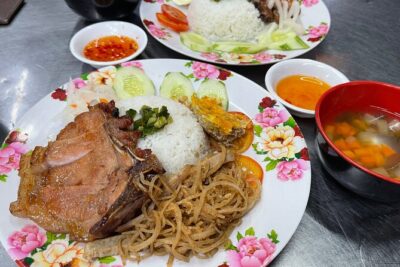
Top Notch Street Food Motorbike Tour In Ho Chi Minh City
Read our review →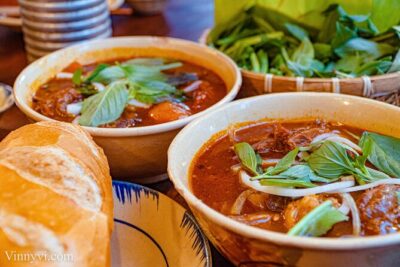
Private Street Food Motorbike Tour in Ho Chi Minh City
Read our review →
Ho Chi Minh Night Tour by Motorbikes with Female Rider | KissTour
Read our review →
Saigon Night Sights & Local Food by Motorbike| Opt: Ao Dai Riders
Read our review →Browse the lists this tour appears in