Review · MOTORBIKE TOURS
Rental Motorcycle Tour in Kyoto: Arashiyama & West Temple
Kyoto’s western temple district is rewarding on foot, but a motorbike gives you a different view of the city. You can connect Arashiyama’s river and bamboo scenery with three major temples in one half-day, without spending the whole outing waiting for buses. I especially like the route’s mix of open-air riding and quiet cultural stops, plus the help of a guide such as Victor, who can make Japanese traffic easier to handle.
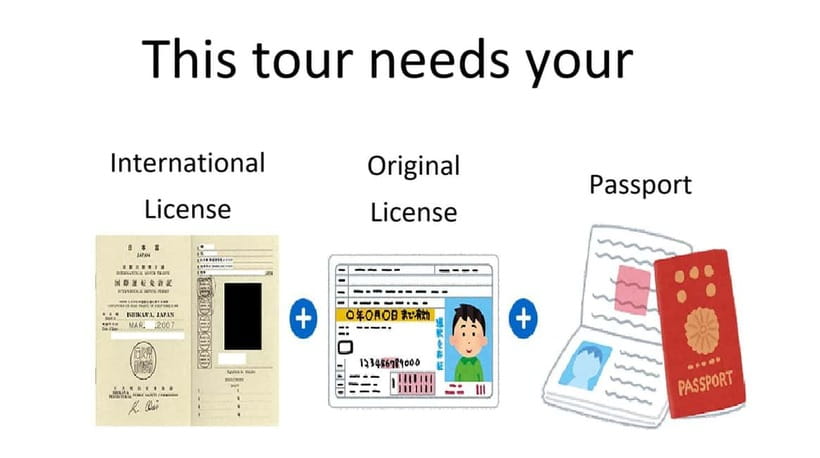
The main catch is the paperwork and riding requirement. You need a valid Japanese driving qualification, an international driving permit for a car or motorcycle, or an approved Japanese translation in certain cases. The temples also charge separate entrance fees, and Kyoto’s traffic and weather mean you should arrive prepared.
Key points at a glance
- Arashiyama opens the ride with river views, bamboo, and traditional streets.
- Ninna-ji combines imperial connections, gardens, and a five-story pagoda.
- Ryoan-ji gives you time with Japan’s best-known rock garden.
- Kinkaku-ji finishes the route with its gold-covered pavilion and pond reflection.
- A private group and English-speaking guide make route-finding less stressful.
- You must bring the correct license, long clothing, closed-toe shoes, and rain gear.
Why a motorbike works well for western Kyoto
Kyoto’s western sights are close enough to pair, yet spread across several districts. By motorbike, you move between them under your own power instead of treating each temple as a separate bus trip. That matters most on a six-hour schedule, when wasted time in transit can eat into your visits.
This is not a motorbike excursion built around speed. The appeal is the connection between stops. You ride through Kyoto’s cultural heart, pause at major sights, then get back on the road with the city changing around you. The route also gives you a more personal way to explore than a large coach group.
You should expect a guided ride rather than a completely free-form rental. The guide leads the way and helps you manage traffic, while the private-group format keeps the experience more focused than a crowded tour. English and Japanese are available, and Victor is named as one guide associated with the experience.
The riding itself is part of the fun, but it is not the only point. The real value comes from linking four very different places: Arashiyama’s natural setting, Ninna-ji’s temple grounds, Ryoan-ji’s spare garden, and Kinkaku-ji’s theatrical gold facade.
A few more rides around the world worth a look
- Ho Chi Minh City Street Food Tour & Sightseeing By Motorbike
★ 5.0 · 9,413 reviews - Hanoi Motorbike Tour: Food, Culture and Fun by Vintage Motorbike
★ 5.0 · 6,699 reviews - Saigon By Night and Street Food By Motorbike | Opt: Ao Dai Riders
★ 5.0 · 4,066 reviews
Starting at the dinosaur-topped motorcycle shop
The meeting point is レオタニモト 本店, also known as the Leotani Moto main shop. Look for the motorcycle showroom on the ground floor and the dinosaur object on top of the building. That unusual marker should make the shop easier to identify.
Bring your passport or a copy, identification or a copy, your driver’s license, and your international driving permit. The operator also asks you to bring rain gear, a long-sleeved shirt, long pants, and closed-toe shoes. Sandals, flip-flops, slippers, bare feet, shorts, short skirts, skirts, and sleeveless shirts are not allowed.
The licensing rule deserves careful attention. The tour requires a valid car or motorcycle license recognized in Japan. The supplied information says that an international car license can permit you to ride a 50cc motorcycle in Japan, but you should confirm that your own permit and rental vehicle match the current Japanese rules before booking.
If your license comes from Switzerland, Germany, France, Belgium, Monaco, or Taiwan, you need a Japanese translation rather than relying only on an IDP. The translation is handled through the Japanese Automobile Federation, known as JAF. Japan does not issue IDPs, so arrange the document in your home country before your trip.
Arashiyama and Togetsukyo Bridge: a scenic first stop
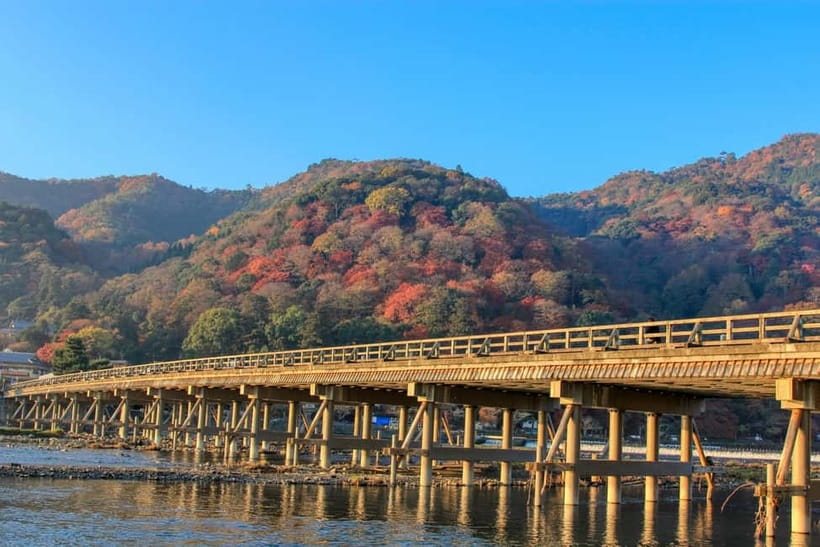
The ride begins with Arashiyama, one of Kyoto’s most recognizable districts. Togetsukyo Bridge is the listed stop, with about an hour and a half set aside for the visit. The bridge crosses the Katsura River and gives you the broad river view that has made this part of Kyoto so popular.
Arashiyama is also the gateway to the famous bamboo grove. The tall bamboo is the headline attraction, but the district works best when you allow time for the wider setting: the river, wooded hills, traditional streets, and temple atmosphere. You get a stronger sense of place here than you would from a quick photo stop.
I like that the tour places Arashiyama first. It gives you a scenic start before the more contemplative temple visits. The 1.5-hour allocation is useful because you are not being rushed straight from the bridge to the next stop.
The drawback is that Arashiyama is a major Kyoto attraction, so the area can feel crowded. The motorbike helps you reach the district, but it does not turn the bamboo grove or bridge into a private sight. Keep your expectations realistic and use the time to enjoy the setting rather than trying to control the pace of the whole district.
Ninna-ji and the five-story pagoda
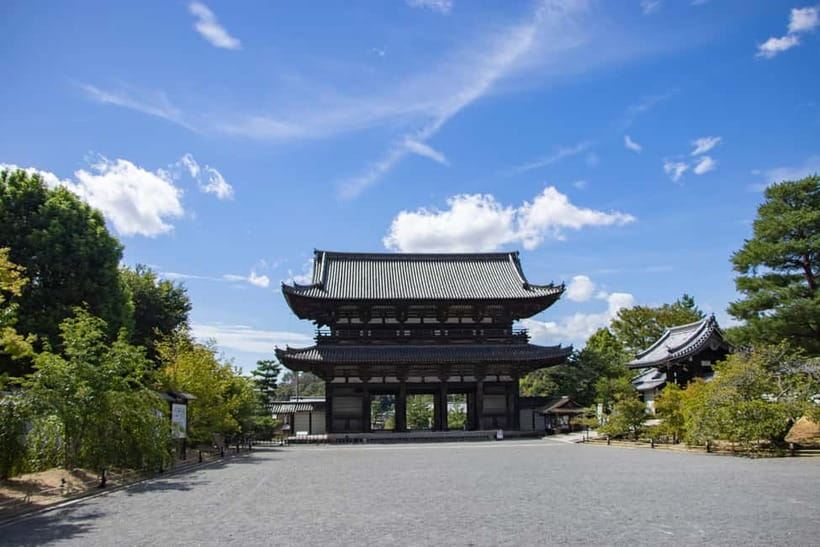
Next comes Ninna-ji, with about one hour for the visit. This UNESCO World Heritage Site is known for its connection to Japan’s imperial family, its gardens, and its five-story pagoda. It gives the day a more formal temple setting after the open scenery of Arashiyama.
The pagoda is one of the visual anchors of the grounds. The gardens provide a quieter counterpoint, and the imperial link adds context to the architecture. You are not simply ticking off another temple. This stop helps show how Kyoto’s religious buildings also connect with court culture and national history.
One hour is enough for a focused visit, especially if you know what you want to see. I would use it for the pagoda, the gardens, and the main temple areas rather than trying to inspect every corner. Entrance fees are not included, so keep money available for temple admission.
This stop will suit you if you prefer a mix of architecture, gardens, and historical setting. If you want long periods of silent wandering at every temple, the schedule may feel brisk. Four major stops in six hours require reasonable discipline.
Same roads, a very different day in the saddle:
- Private Street Food Tour by Motorbike/Car with Local Students
★ 5.0 · 3,950 reviews - Saigon: Street Food Tasting & Sightseeing Tour by Motorbike
★ 4.9 · 3,578 reviews - Top Notch Street Food Motorbike Tour In Ho Chi Minh City
★ 5.0 · 2,667 reviews - Private Street Food Motorbike Tour in Ho Chi Minh City
★ 5.0 · 2,180 reviews
Ryoan-ji and the famous rock garden
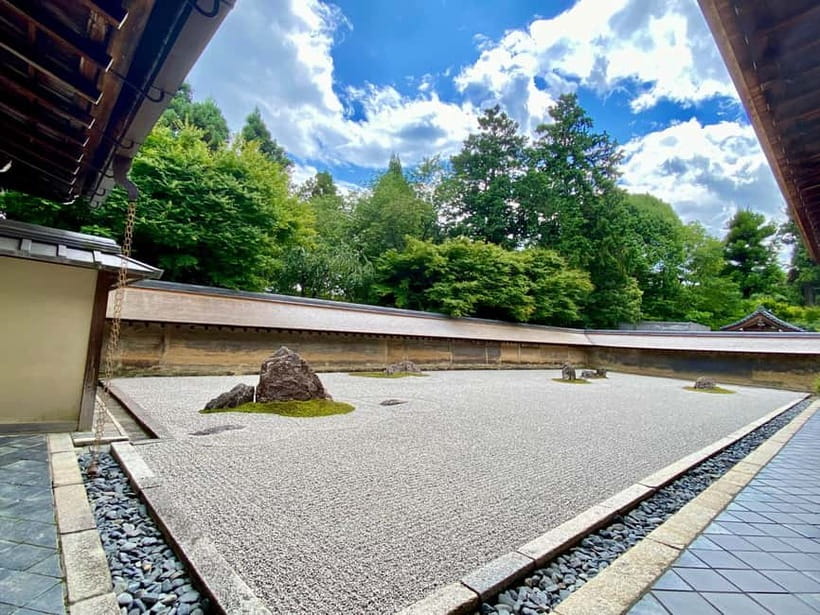
Ryoan-ji follows, with another hour on the schedule. Its rock garden is probably Japan’s most famous, and it offers a sharp change from Ninna-ji. Here, the design is spare and controlled. Rocks, gravel, and empty space do the work.
The garden rewards stillness. You do not need a guide talk or a long checklist to appreciate it. Sit, look, and let the simplicity slow you down. The experience is valuable partly because it asks you to notice what is absent, not only what has been built or decorated.
I like the placement of Ryoan-ji after Ninna-ji. You move from imperial associations and pagoda architecture to a more restrained form of Japanese garden design. The contrast makes both places easier to remember.
Again, the one-hour visit is practical rather than generous. It should allow time for the garden and the temple grounds, but not an unhurried study of every detail. Temple admission is extra, and the tour does not include food or drinks, so plan your energy accordingly.
Kinkaku-ji, the Golden Pavilion, as the finale
The final major stop is Kinkaku-ji, better known as the Golden Pavilion. You have about 45 minutes here. The temple is covered in brilliant gold leaf and reflects in the pond, creating one of Kyoto’s most instantly recognizable views.
This is a strong ending because the sight is visually dramatic. After the natural setting of Arashiyama and the restrained garden at Ryoan-ji, Kinkaku-ji brings the route to a bright, polished finish. You will likely spend much of your time taking in the pavilion from the main viewing path and photographing its reflection.
The shorter stop makes sense because Kinkaku-ji is a focused visit. You are there for the pavilion, pond, and surrounding grounds rather than an extended temple stay. Still, 45 minutes leaves little room for a slow visit if the area is crowded or if you want to linger.
Kinkaku-ji also shows why this tour is best understood as a highlights route. You get several of western Kyoto’s essential sights in one outing, but the schedule does not allow deep exploration of each site. If you want a long, quiet visit at one temple, choose a single-site outing instead.
What the guide adds to the ride
The guide is not just there to point out the next stop. The practical benefit is helping you navigate Japanese traffic and stay on the intended route. One verified booking praised Victor for being laid-back and making traffic navigation feel easy. That is a meaningful strength for anyone who is comfortable riding but less familiar with Kyoto’s roads.
A guide can also keep the day moving. With Arashiyama, Ninna-ji, Ryoan-ji, and Kinkaku-ji on the same route, it is easy to lose time at the first stop. The private-group format gives you more direct attention than a large shared tour, although the exact pace will still depend on the guide and your group.
You should not expect a lecture-heavy temple tour from the details provided. The emphasis is on riding, route support, and seeing the sights. If your priority is detailed religious or architectural interpretation at every stop, ask the provider what level of guiding is included before you reserve.
The six-hour schedule and its limits
The total duration is six hours, including the ride from the shop, the four sightseeing stops, and the return to the same shop. The planned visits add up to about four hours, leaving roughly two hours for riding, transitions, preparation, and traffic.
That is a sensible structure for a half-day outing. You see a lot without committing your entire day to motorcycling. You can still plan an evening meal or another Kyoto activity afterward, though you should allow some flexibility because road conditions and temple crowds can affect timing.
The schedule is active but not punishing on paper. The longest stop is Arashiyama at 1.5 hours, followed by one hour each at Ninna-ji and Ryoan-ji, then 45 minutes at Kinkaku-ji. You will spend much of the day alternating between riding and walking.
Weather matters. Rain gear is specifically recommended, and a long-sleeved shirt and long pants are required. Kyoto’s conditions can change during the day, so do not treat the clothing list as a formality. Closed-toe shoes are also required for the ride.
Is the $180 price fair?
At $180 per person, this is not a cheap way to visit Kyoto’s temples. You pay separately for food, drinks, and temple entrance fees, so the final cost will be higher. The price is easier to justify if you value the rental motorbike, private-group format, English-speaking guide, and time saved between distant sights.
A regular sightseeing plan using public transport may cost less. It may also take more effort, especially when connecting Arashiyama with the temples farther east in the western Kyoto area. The motorbike gives you flexibility in movement and turns the journey itself into part of the activity.
I see the strongest value for a confident rider who wants more than a standard temple checklist. You are paying for access to a vehicle, route support, and a compact way to cover several famous places. If you do not care about riding, the price will feel harder to defend.
The two available ratings give the experience a perfect five, with particular praise for a fun, relaxed tone and Victor’s traffic guidance. That matches the tour’s main selling point: it is an active cultural outing with practical road support, not a formal bus tour.
Who should book this Kyoto ride?
I would recommend it to:
- Riders with the correct Japanese license or permit who want to cover several western Kyoto sights.
- Couples, friends, or small private groups who prefer a more personal outing.
- People who enjoy mixing cultural sightseeing with time outdoors.
- First-time motorbike riders in Japan who want an English-speaking guide to help with navigation.
- Visitors who want Arashiyama, Ninna-ji, Ryoan-ji, and Kinkaku-ji in one organized route.
I would think twice if you dislike motorbikes, lack the required license, or want long, unhurried visits at each temple. It is also not suited to anyone unwilling to wear long clothing and closed-toe shoes.
Free cancellation up to 24 hours before the start gives you some flexibility, and you can reserve now and pay later. Still, confirm the licensing paperwork first. That is the one detail most likely to derail an otherwise excellent plan.
Should you book this tour?
Book it if the thought of riding through Kyoto appeals to you as much as seeing the temples. The route connects four major western sights in a well-shaped six-hour outing, and the guide support can make Japanese traffic much less intimidating. The relaxed approach praised in the booking feedback is a good fit for a day that mixes riding with serious cultural stops.
Skip it if you want the lowest-cost temple visit, dislike traffic, or cannot secure the correct driving documents. For the right rider, though, $180 buys more than transport. It buys a lively way to connect Arashiyama’s river views, Ninna-ji’s pagoda, Ryoan-ji’s rock garden, and Kinkaku-ji’s golden reflection.
FAQ
How long does the motorbike tour last?
The tour lasts six hours, including the rides, sightseeing stops, and return to the starting point.
Where does the tour start and finish?
It starts and finishes at レオタニモト 本店. Look for the motorcycle showroom on the ground floor and the dinosaur object on top of the building.
Which places does the tour visit?
The route visits Togetsukyo Bridge in Arashiyama, Ninna-ji Temple, Ryoan-ji Temple, and Kinkaku-ji, the Golden Pavilion.
Is an international driving permit required?
The tour information requires an international driving license for a car or motorcycle, along with a valid license recognized in Japan. Confirm your specific documents before booking.
What if my license is from Switzerland, Germany, France, Belgium, Monaco, or Taiwan?
You need a Japanese translation of your license. The information directs you to the Japanese Automobile Federation, or JAF, for details.
Can a car license be used for the rental?
The supplied information says that a valid international car license can be used to drive a 50cc motorcycle in Japan. Check that your permit and rental vehicle meet current Japanese requirements.
Are temple entrance fees included?
No. Entrance fees to the temples are not included in the tour price.
Are food and drinks included?
No. You must pay separately for food and drinks.
What clothing and footwear are required?
Bring a long-sleeved shirt, long pants, rain gear, and closed-toe shoes. Sandals, flip-flops, slippers, bare feet, shorts, short skirts, skirts, and sleeveless shirts are not allowed.
Is the tour private, and what languages are available?
It is a private-group experience with live guiding in English and Japanese.
Just added around the world
- Valencia: Excursión en Moto de Agua + Paddle Surf★ 4.9 · 9 reviews
- Visit 5 Districts & The Hidden Gems In Saigon By Motorbike★ 5.0 · 8 reviews
- Motorbike adventures on a dual purpose motorbike in the Garden Route and Karoo.★ 5.0 · 3 reviews
- Motorcycle rental Trogir / BMW F850GS / Your own motorbike tour★ 5.0 · 2 reviews
- 7 Day Best of Transylvania Motorcycle Tour from Cluj★ 5.0 · 4 reviews
- Motorcycle Adventure through Bardenas Reales★ 5.0 · 16 reviews
- 1250cc Motorcycle Rental from Turda★ 5.0 · 4 reviews
- DB Half day Motorcycle Offroad Siem Reap Tour★ 5.0 · 7 reviews
Tours, compared.
Ho Chi Minh City Street Food Tour & Sightseeing By Motorbike
Read our review →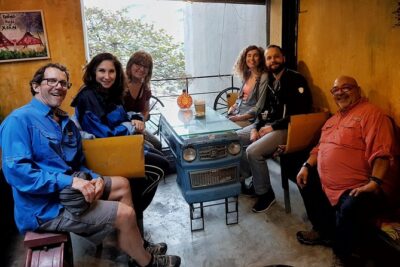
Hanoi Motorbike Tour: Food, Culture and Fun by Vintage Motorbike
Read our review →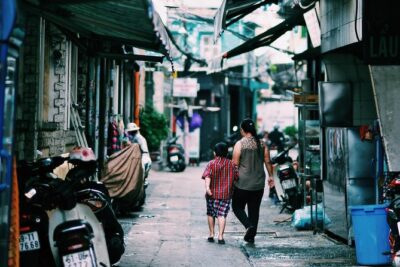
Private Street Food Tour by Motorbike/Car with Local Students
Read our review →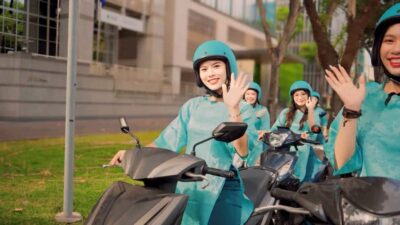
Street Food Tasting & Sightseeing Tour by Motorbike
Read our review →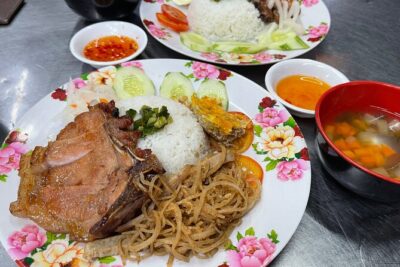
Top Notch Street Food Motorbike Tour In Ho Chi Minh City
Read our review →
Private Street Food Motorbike Tour in Ho Chi Minh City
Read our review →
Barcelona Private Tour by Sidecar Motorcycle
Read our review →