
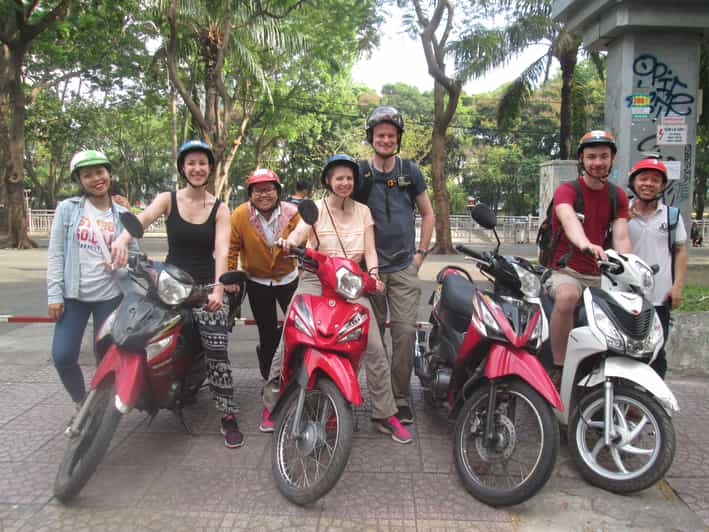
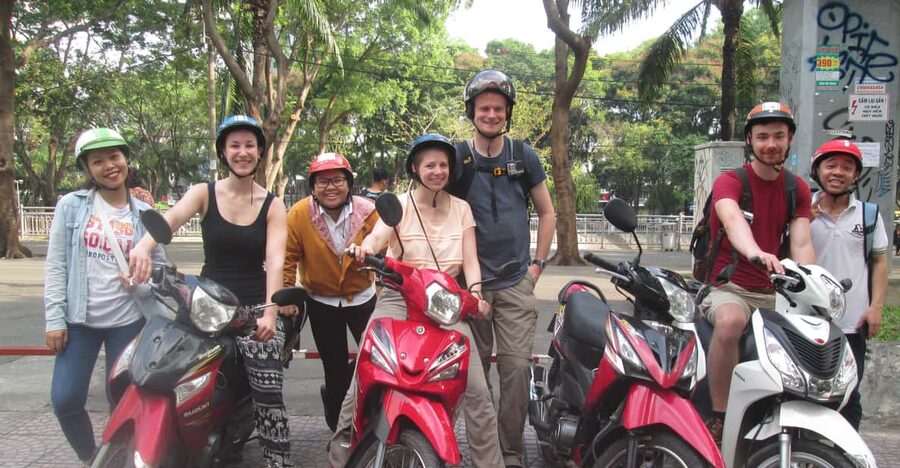
Review · HO CHI MINH CITY
Ho Chi Minh City: Ghost, Belief & Culture Tour on Motorbike
Ho Chi Minh City’s ghost stories make more sense when you hear them beside the places that inspired them. This motorbike tour takes you from a Buddhist pagoda to a funeral house, Chinatown’s abandoned Ghost Building, and the monument to Thich Quang Đức, with local beliefs tying the stops together.
I like the mix of belief and daily life. You are not simply chasing spooky tales. You are learning how people worship gods, think about the circle of life, follow funeral customs, and remember a painful chapter in modern Vietnamese history. The bánh mì and coffee stop adds a useful taste of ordinary Saigon.
The main concern is the motorbike itself. Traffic can be intense, and a two to four-hour ride may not suit anyone with back problems or anyone over 70. The free hotel pickup area is limited to Districts 1, 3, and 4, so check that detail before booking.
Key points at a glance
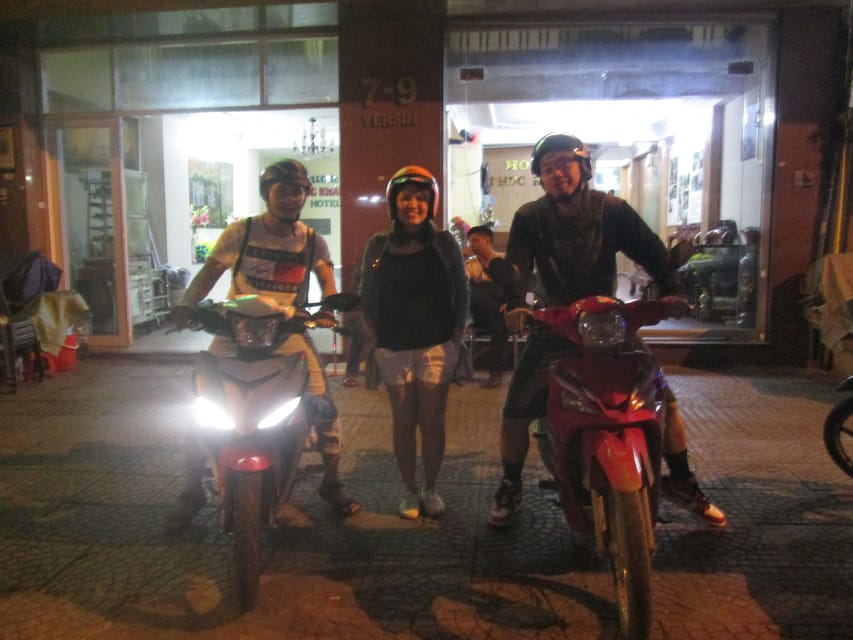
- Ride through the city on a motorbike: Your English-speaking driver takes you between sites, with the bike and fuel included.
- Hear personal ghost stories: Guides such as Vincent, Danny, and Wibu bring their own stories and explain local ideas about spirits and belief.
- Enter a funeral house: You learn about Vietnamese funeral customs and may witness funeral ceremonies in progress.
- See Chinatown’s Ghost Building: The abandoned building is connected to feng shui beliefs and gives the tour its strongest eerie setting.
- Stop for bánh mì and a local drink: A Vietnamese baguette, coffee, juice, or smoothie is included.
- Visit the Thich Quang Đức monument: The final stop connects religious belief with the Buddhist protests of 1963.
Why this motorbike tour feels different
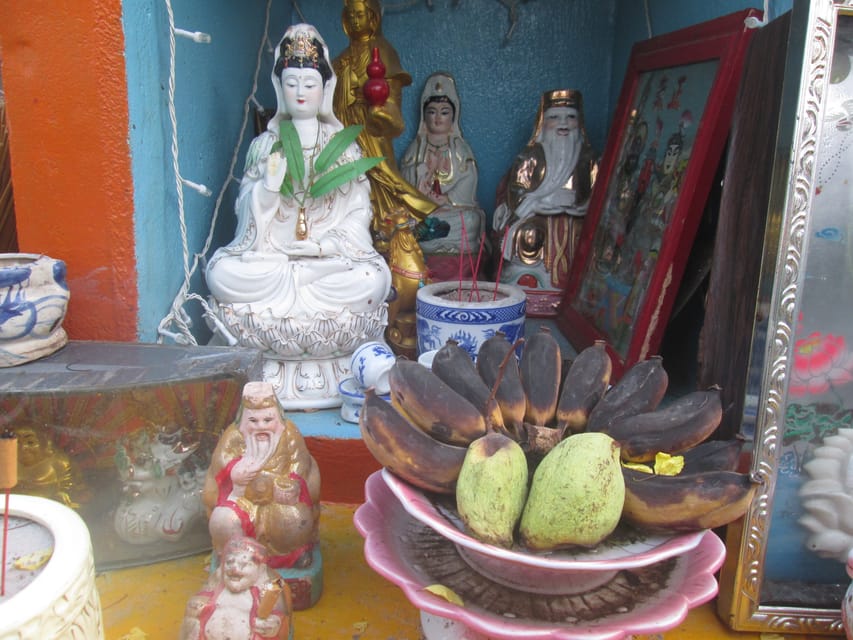
Most city tours in Ho Chi Minh City stay with food, colonial buildings, markets, or war history. This one takes a less tidy route through the city’s spiritual side. You get a look at the ideas that shape worship, death, memory, and fear.
The word ghost can make the tour sound like a staged haunted-house attraction. It is not described that way. The focus is on real places, local customs, and stories shared by the guides. The supernatural material is part of a wider conversation about how Vietnamese people understand life after death and the presence of spirits.
That makes the tour a good choice if you have already seen some of the usual sights and want another way to read the city. You are not just looking at old buildings. You are asking why a pagoda matters, why a funeral is conducted in a certain way, and why an empty building can gain a reputation that lasts.
The ride also matters. Ho Chi Minh City is best understood at street level, and the motorbike lets you move between different parts of the city without sitting inside a sealed vehicle. You see the road, hear the traffic, and get a quick sense of how the city changes from one district to another.
Your driver is also your guide, so the quality of the experience depends heavily on the person assigned to you. Vincent is praised for clear English, humor, and a strong grasp of the city. Danny is associated with an exciting ride and an excellent team, while Wibu is described as friendly and well informed. A private or small-group format gives you a better chance to ask questions as you go.
A few more rides around Ho Chi Minh City worth a look
- Ho Chi Minh City Street Food Tour & Sightseeing By Motorbike
★ 5.0 · 9,413 reviews - Saigon By Night and Street Food By Motorbike | Opt: Ao Dai Riders
★ 5.0 · 4,066 reviews - Private Street Food Tour by Motorbike/Car with Local Students
★ 5.0 · 3,950 reviews
Starting at a pagoda, where belief becomes local culture
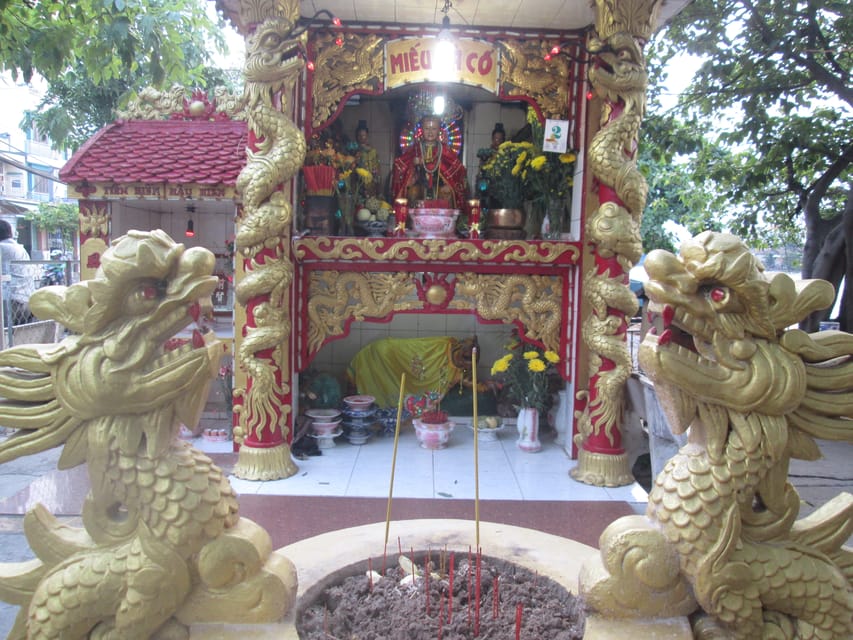
The first stop is a pagoda, where the guide explains Buddhist belief and local worship. This is an important opening because the tour does not begin with a ghost story pulled out of context. It begins with the religious ideas that help explain why spirits, gods, ancestors, and the circle of life matter to people in Vietnam.
You will hear about the worship of different kinds of gods and how belief can include several traditions at once. The point is not to reduce Vietnamese religion to one simple category. The guide gives you a way to understand how spiritual practice fits into everyday life.
I would pay close attention here, even if you are more interested in the spooky parts. Without this background, the later stops can seem like a collection of strange stories. With it, the funeral house and Ghost Building have a clearer cultural setting.
A pagoda is also a calmer beginning than an immediate rush through traffic. You have time to listen and ask questions before the tour moves on. Dress and behave respectfully at the site, as you would at any active place of worship.
The funeral house and the customs of mourning
The next stop is a funeral house. The tour description says you will walk inside to witness some funeral ceremonies, although the exact activity will depend on what is taking place when you arrive. This is the most sensitive part of the outing, and you should approach it with care.
The guide explains funeral customs and shares ghost stories or personal experiences connected with the place. That combination gives you more than a quick look at a ceremony. You learn how death is handled publicly and how stories about the dead continue after the formal rites.
A funeral house is not a museum. Real families may be grieving there. Keep your voice low, follow the guide’s instructions, and do not assume photography is appropriate. If you are uncomfortable around mourning or spiritual rituals, this stop may be a reason to choose a different city tour.
For many people, this is also the most meaningful stop. It shows that the tour’s idea of a ghost story is linked to memory and respect, not only fright. The guide’s personal experiences can make the subject feel immediate, but the quality and tone will vary with the guide and the circumstances that day.
Chinatown and the abandoned Ghost Building
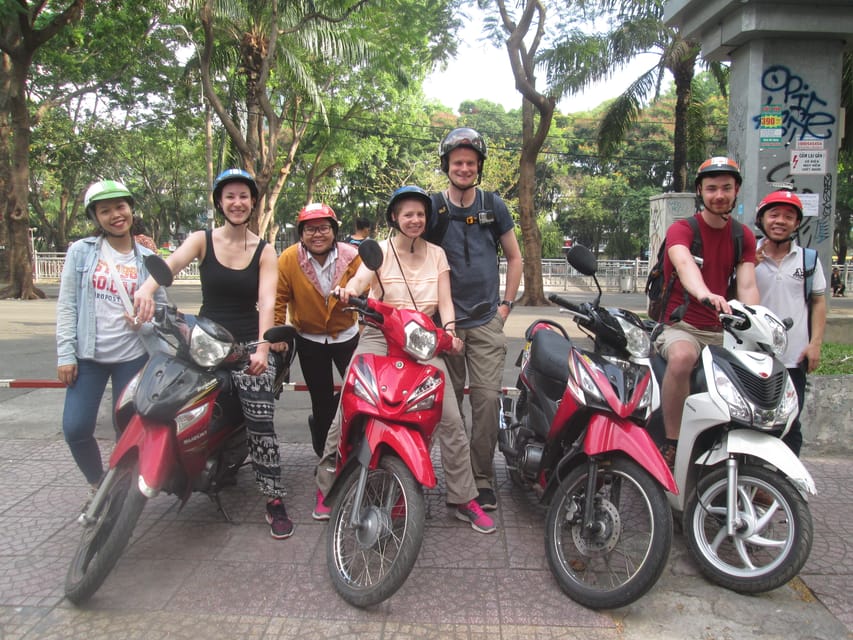
The motorbike then heads toward Ho Chi Minh City’s Chinatown, described as the biggest Chinatown in the city. Here, the tour stops at an abandoned building known as the Ghost Building.
The building’s reputation is tied to feng shui. The explanation gives you a useful look at how location, design, luck, and spiritual concerns can affect the way a building is viewed. An empty structure can become a local story, especially when people connect its history with poor fortune or disturbed energy.
You should expect to see the building from the tour’s stopping point rather than assume you will enter every part of it. The information provided identifies it as abandoned, and abandoned buildings can have restricted or unsafe areas. Listen to the guide and do not wander beyond permitted spaces.
This is likely to be the most atmospheric part of the tour. You have the setting, the Chinatown connection, and the feng shui explanation in one place. It also gives the ride a clear change of mood after the pagoda and funeral house.
The Ghost Building is best appreciated as a cultural story, not as proof of anything supernatural. The tour lets you decide how much you believe. Its real value is showing how a place can gather meaning through rumor, belief, and local memory.
Same roads, a very different day in the saddle:
- Saigon: Street Food Tasting & Sightseeing Tour by Motorbike
★ 4.9 · 3,578 reviews - Top Notch Street Food Motorbike Tour In Ho Chi Minh City
★ 5.0 · 2,667 reviews - Private Street Food Motorbike Tour in Ho Chi Minh City
★ 5.0 · 2,180 reviews - Ho Chi Minh City Motorbike Tour with Student | Saigon Adventure
★ 5.0 · 1,697 reviews
Bánh mì and a short break like a local
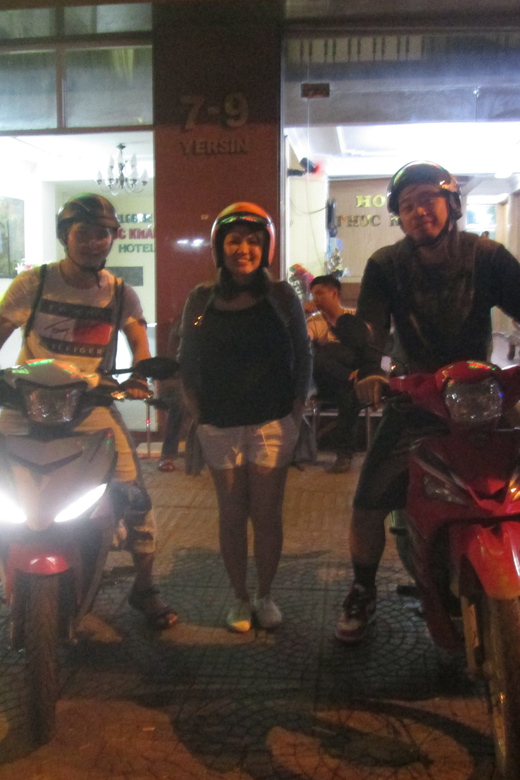
After the more serious stops, the tour pauses at a local coffee shop for bánh mì and a drink. You receive a Vietnamese baguette sandwich along with coffee, juice, or a smoothie.
This is a small part of the tour, but it improves the rhythm. You get a seat, a chance to talk with the guide, and a break from the motorbike. It also connects the unusual subject matter with something completely ordinary: a quick meal and drink at a local-style café.
The bánh mì is one of Vietnam’s most famous everyday foods. The tour does not specify the exact filling, so do not book this expecting a particular recipe. If you have dietary restrictions, ask the operator before the ride.
The drink choice gives you some flexibility. You can choose Vietnamese coffee, juice, or a smoothie. Personal expenses are not included beyond the listed food and drink, so plan to pay for anything extra.
I like this pause because it keeps the experience from becoming too heavy. The tour deals with death, spirits, and historical protest. A sandwich and coffee bring you back to the normal pace of the city.
The Thich Quang Đức monument and the 1963 protest
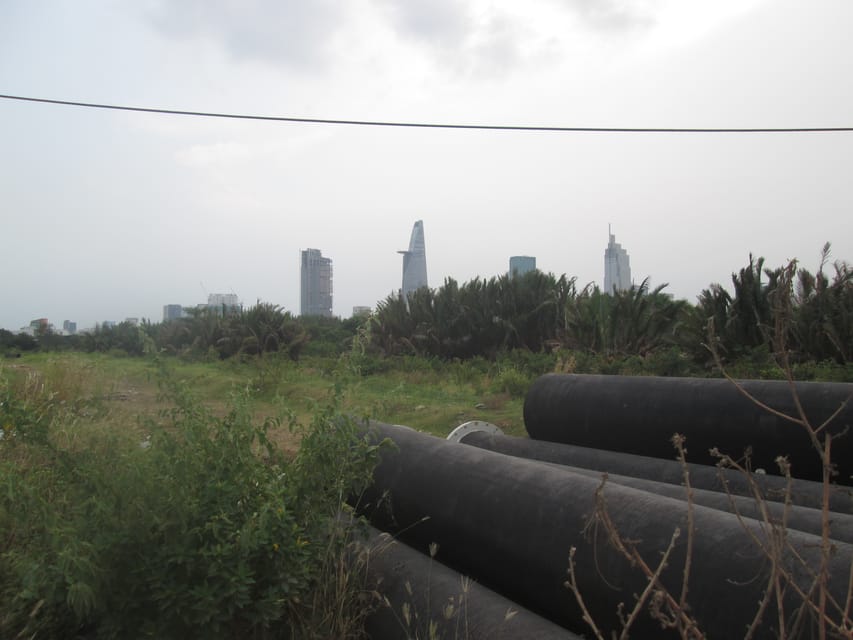
The final major stop is the Thich Quang Đức monument. In 1963, Thich Quang Đức burned himself in protest against the persecution of Buddhists. The monument remembers that act and gives the tour a serious historical finish.
This stop is different from the Ghost Building. It is not about rumor or supernatural reputation. It is about religious persecution, protest, sacrifice, and the way public memory is preserved.
The guide can help place the event within the wider story of Vietnam’s Buddhist protests. The supplied information does not set out a long historical lecture, so the depth of explanation may depend on your guide. If this chapter matters greatly to you, ask questions and take advantage of the English-speaking guide.
Ending here is a strong choice. The tour begins with Buddhism as a living belief system, moves through mourning and ghost stories, then finishes with a monument tied to Buddhist persecution. The route gives the subject more weight than a simple haunted-site ride would have.
What the motorbike setup is really like
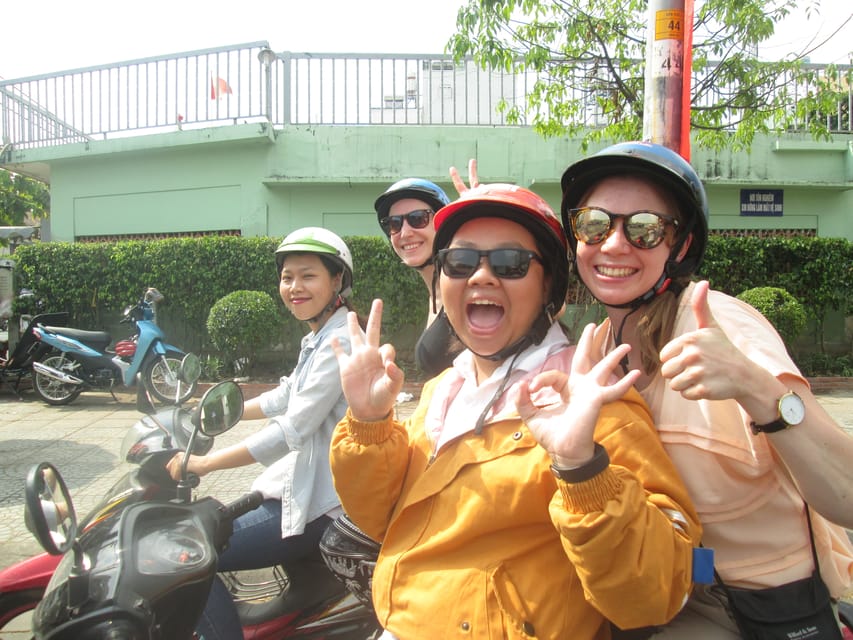
The price is $16 per person, which is strong value if you want transport, a guide, the motorbike, fuel, a helmet, a poncho if needed, bánh mì, a drink, and insurance in one short outing. It is also a practical way to cover several locations that would be less convenient on foot.
The ride lasts between two and four hours. That is a wide range, so check the available starting time and the exact tour length when you book. A two-hour version will feel focused. A longer version gives you more time at the stops and for conversation.
Free pickup and drop-off are offered at hotels in Districts 1, 3, and 4. If you stay outside those districts, you can meet at the Saigon Opera House at 07 Quảng Trường Lam Sơn in District 1, or pay a $5 per person pickup surcharge.
The standard tour uses motorbikes, with the guide acting as your driver. Helmets and ponchos are supplied if required. If you want a female áo dài rider, the upgrade costs $10 per person. This option should appeal to anyone who wants a more traditional visual touch, but it is not part of the base price.
Private tours cost an extra $5 per person. Private or small-group arrangements are useful here because the subject matter invites questions and the funeral house requires a respectful pace. A large, noisy group would work against the tone of the experience.
You can also arrange a car instead of motorbikes. A seven-seat car costs an extra $50, while a 16-seat van costs an extra $70. These options must be booked at least 24 hours ahead, and prices can change on holidays, special days, and festivals. The car option is practical if you cannot ride a motorbike, but the supplied information does not state that it is suitable for people with back problems or for anyone over 70, so confirm your needs with the operator first.
Who will get the most from this experience
I would choose this tour if you want Ho Chi Minh City explained through belief, ritual, and personal stories rather than only through famous landmarks. It suits repeat visitors especially well, since it reaches parts of the city and subjects that a standard sightseeing route may skip.
It also fits people who enjoy a little mystery but want cultural context. The ghost stories are more effective when you understand the religious and social ideas behind them. You will get more from the tour if you ask questions instead of waiting for a series of dramatic tales.
The outing is less suitable if you dislike motorbike traffic, have back problems, or are over 70. It is also not a good match if you want a polished historical lecture or a purely lighthearted activity. The funeral house can be emotionally serious, and the monument deals with persecution and self-immolation.
The tour operator provides insurance, but you should still consider your own comfort on a motorbike. Wear practical clothing, secure loose items, and be ready for weather changes. Ponchos are available if required.
Booking details worth checking first
You can cancel up to 24 hours before the activity for a full refund, and you can reserve now and pay later. The live tour language is English.
Vietnamese public holidays bring additional charges. The listed dates include Lunar New Year from January 27 to February 9, April 7, April 30 to May 1, September 1 to 2, and December 31 to January 1. The surcharge is 100 percent for the two-hour tour and 50 percent for other tours, payable on site.
Because pickup rules, holiday costs, and vehicle upgrades can change the final price, check those details before confirming. The basic $16 price is attractive, but the total may be higher if you need an outside-district pickup, a private format, a car, or a female áo dài rider.
Should you book the Ghost, Belief and Culture Tour?
Book it if you want an unusual, compact introduction to the spiritual side of Ho Chi Minh City. The strongest features are the motorbike ride, the mix of pagoda and funeral customs, the feng shui story behind the abandoned building, and the thoughtful finish at the Thich Quang Đức monument.
I would pick a small-group or private option if your budget allows. You will have more room for questions, and the subject matter deserves a quiet, respectful approach. Ask for a guide such as Vincent, Danny, or Wibu if the booking system allows requests, though assignment cannot be guaranteed.
Skip it if you want a relaxed sightseeing ride with no difficult subjects. This tour deals with death, ghost stories, Buddhist persecution, and active funeral customs. For the right person, that is exactly its value. At $16, it offers a lot of local context for a short city outing.
FAQ
How much does the tour cost?
The listed price is $16 per person. Extra charges can apply for private tours, pickups outside Districts 1, 3, and 4, a female áo dài rider, car transport, and certain public holidays.
How long does the tour last?
The duration is between two and four hours. Starting times and exact availability depend on the date you choose.
What language is the tour offered in?
The tour is offered with a live English-speaking guide.
Where is free hotel pickup available?
Free pickup and drop-off are available at hotels in Districts 1, 3, and 4.
What if my hotel is outside the free pickup area?
You can meet at the Saigon Opera House at 07 Quảng Trường Lam Sơn in District 1. Hotel pickup outside the free area costs an extra $5 per person.
Is the tour private or shared?
Private and small-group options are available. A private tour has a surcharge of $5 per person.
What food and drink are included?
The tour includes a bánh mì and one Vietnamese coffee, juice, or smoothie.
Is a motorbike provided?
Yes. The motorbike, fuel, helmet, and poncho if required are included.
Can I take a car instead of a motorbike?
Yes. A seven-seat car or a 16-seat van can be arranged for an additional charge. The vehicle must be booked at least 24 hours in advance.
Who should not take this tour?
The activity is not suitable for people with back problems or people over 70.
Just added around Ho Chi Minh City
- Visit 5 Districts & The Hidden Gems In Saigon By Motorbike★ 5.0 · 8 reviews
- Experience Saigon Cuisine: Food Tour by Motorbike or Car★ 5.0 · 7 reviews
- Street Food Tour In Ho Chi Minh City By Motorbike★ 5.0 · 2 reviews
- Saigon Homies – Street Food Tour By Motorbike/Car/Walking★ 5.0 · 3 reviews
- Ho Chi Minh city Sightseeing or Midnight nightlife by motorbike★ 5.0 · 3 reviews
- Private Shore Excursion from Phu My Port: Food & Sights by Motorbike★ 5.0 · 10 reviews
- Saigon Half Day Shopping Tour by Motorbikes – KissTour★ 5.0 · 4 reviews
- Saigon Unseen and Food Tour by Motorbike★ 5.0 · 16 reviews
Ho Chi Minh City Motorbike Tours, compared.
Ho Chi Minh City Street Food Tour & Sightseeing By Motorbike
Read our review →
Saigon By Night and Street Food By Motorbike | Opt: Ao Dai Riders
Read our review →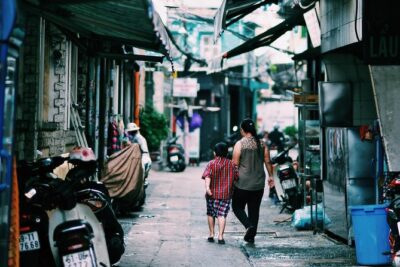
Private Street Food Tour by Motorbike/Car with Local Students
Read our review →
Street Food Tasting & Sightseeing Tour by Motorbike
Read our review →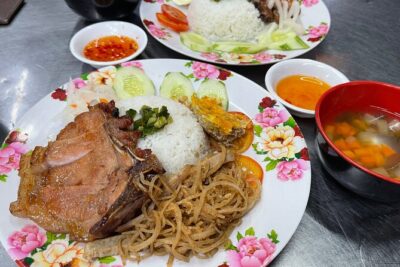
Top Notch Street Food Motorbike Tour In Ho Chi Minh City
Read our review →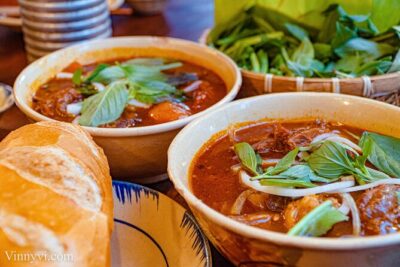
Private Street Food Motorbike Tour in Ho Chi Minh City
Read our review →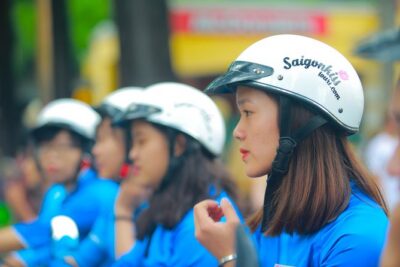
Ho Chi Minh Night Tour by Motorbikes with Female Rider | KissTour
Read our review →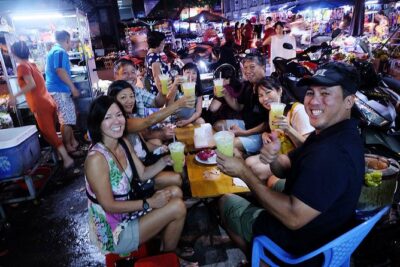
Saigon Night Sights & Local Food by Motorbike| Opt: Ao Dai Riders
Read our review →Browse the lists this tour appears in